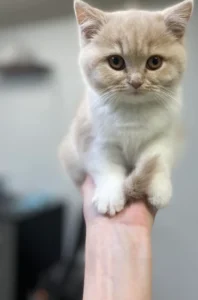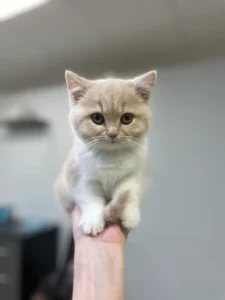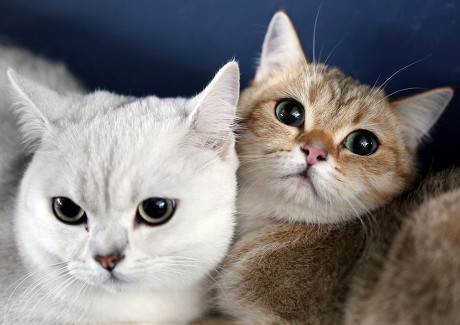
kitten socialization into a home with other pets can be an exciting and rewarding experience. These charming kittens are known for their gentle and easy-going nature, making them an excellent choice for families with existing pets. However, introducing a new kitten into a home with other pets requires patience, care, and the right approach to ensure that everyone gets along. In this blog post, we’ll explore effective strategies for socializing a British Shorthair kitten with other pets, from introducing them to other cats and dogs to creating a harmonious household.
We’ll also optimize this content for SEO to ensure gatobritánicofarm.com ranks well for potential pet owners searching for guidance on kitten socialization.
Why Socializing a British Shorthair Kitten is Important
British Shorthair kittens are known for their calm and affectionate nature, which can make the socialization process easier compared to more excitable or territorial breeds. However, like all kittens, they need to be properly introduced to other pets to avoid stress or aggression. Socializing your kitten from an early age can help them grow up to be confident, friendly, and well-adjusted around other animals. kitten socialization
When done right, socialization fosters positive relationships between your kitten and other pets, creating a peaceful household and reducing the chances of behavioral problems like territorial aggression or anxiety.
Steps to Socialize a British Shorthair Kitten with Other Pets
1. Start with Separate Spaces
When introducing a British Shorthair kitten to other pets, it’s important to start by keeping them in separate spaces. This gives your new kitten a safe space to adjust to their new environment without feeling overwhelmed or threatened. Similarly, your existing pets should have their own safe space where they can feel comfortable.
- Tip: Set up a separate room for the kitten with food, water, a litter box, and a cozy bed. Allow them to get accustomed to the house sounds and smells before the introduction. grooming tips for kittens
2. Scent Introduction
Before face-to-face meetings, start with a scent introduction. Cats and dogs rely heavily on scent, and getting used to each other’s smell will reduce the chances of an aggressive reaction later on.
- For cats: Swap bedding or rub a cloth on each pet and place it in the other pet’s space. This allows them to familiarize themselves with each other’s scent in a non-threatening way. kitten socialization
- For dogs: Let the dog sniff the kitten’s scent on a cloth, and vice versa.
3. Controlled Introductions
After a few days of scent swapping, it’s time for the first visual introduction. This should be done gradually and under supervision.
- For kittens and cats: Allow them to see each other from a distance through a baby gate or cracked door. If there is no aggression or stress, you can slowly reduce the distance. Let them approach each other at their own pace, with plenty of positive reinforcement (like treats and praise).
- For kittens and dogs: Keep the dog on a leash during the introduction, so you can control their movement. Let the kitten observe the dog from a safe distance first. Make sure the dog is calm and not overly excited, as this could scare the kitten.
4. Positive Reinforcement
During the entire process, use positive reinforcement to reward both your British Shorthair kitten and other pets for calm behavior. Give them treats, affection, and praise every time they show curiosity or calmness around each other.
- Tip: Never punish the pets for showing fear or aggression, as this can lead to more anxiety. Instead, focus on rewarding good behavior and calm interactions.
5. Gradual Increase in Interaction Time
As your pets become more comfortable with each other, gradually increase their time together. Always supervise these interactions and step in if things seem to escalate. Over time, your British Shorthair kitten will learn to trust your other pets, and vice versa.
- Tip: Limit the interaction time at first, and slowly increase it as everyone’s comfort level rises.
6. Monitor Body Language
Watch the body language of both your kitten and other pets during their interactions. Signs of aggression, fear, or stress include:
- Hissing, growling, or swatting in cats
- Barking, stiff posture, or staring in dogs
If you see these signs, separate the pets immediately and give them time to calm down. Remember, patience is key. It may take several days or even weeks before everyone is comfortable with each other.
7. Create Safe Spaces for Each Pet
Even after successful socialization, it’s important to maintain safe spaces for each pet. Your British Shorthair kitten should always have a retreat area where they can go to feel safe and have alone time. Similarly, your other pets should have their own safe zones, such as a crate or a separate room.
This ensures that no pet feels cornered or stressed, and they can always find a peaceful spot to retreat to if they need it.
How to Socialize a British Shorthair Kitten with Other Cats
Introducing a British Shorthair kitten to another cat can sometimes be more challenging than with dogs, especially if the resident cat is territorial or already established in the household. The key to success is patience and gradual introductions.
- Scent swapping: Start with scent swapping as described earlier. This helps the cats get familiar with each other’s smell without direct interaction.
- Slow visual introductions: As both cats get used to the scent, allow them to see each other from a distance before a direct meeting. Let them observe each other for a few days before moving to the next step.
- Supervised face-to-face meetings: When they do meet, have both cats on opposite sides of a baby gate or use a leash for control. Let them sniff each other without any direct confrontation. Keep these sessions short, and gradually increase their length over time.
How to Socialize a British Shorthair Kitten with Dogs
Socializing a British Shorthair kitten with a dog may be easier, especially if the dog is calm and well-behaved. However, it’s still important to proceed with caution and introduce them slowly.
- Leash the dog: Keep the dog on a leash for the first few interactions. This ensures you can control the situation and prevent the dog from chasing or startling the kitten.
- Let the kitten approach the dog: Allow the kitten to make the first move, but don’t force the interaction. Let the kitten approach the dog on their own terms.
- Reward calm behavior: Reward both the kitten and the dog for staying calm. Gradually, you can increase the time they spend together, always under supervision.
FAQ: How to Socialize a British Shorthair Kitten with Other Pets
Q: How long does it take to socialize a British Shorthair kitten with other pets?
The timeline can vary depending on the personalities of the pets involved. Some British Shorthair kittens may warm up to other pets in a few days, while others may take a few weeks. Be patient and progress at a pace that suits all pets involved.
Q: Can I socialize an older British Shorthair kitten with other pets?
Yes! While younger kittens are typically easier to socialize, older kittens can still learn to get along with other pets. The process may take a bit longer, but with patience and gradual introductions, it can be done.
Q: What if my British Shorthair kitten is scared of my dog or cat?
It’s normal for kittens to feel anxious or scared during the introduction phase. Take a step back and give your kitten more time to adjust. Never force interactions, and always allow them to move at their own pace. British Shorthair cat
Q: What are signs that my pets are getting along?
Signs of a successful introduction include calm body language, curiosity without aggression, and mutual exploration. If both pets are comfortable in each other’s presence and share space without conflict, the socialization is likely progressing well.