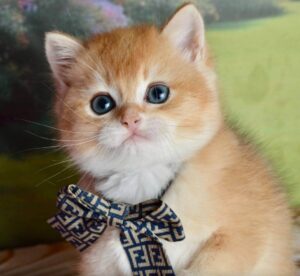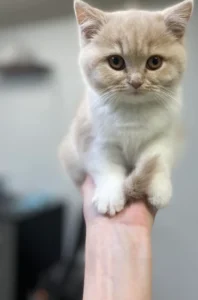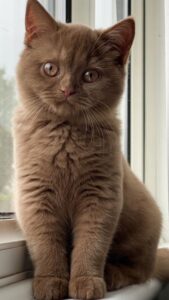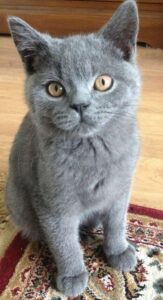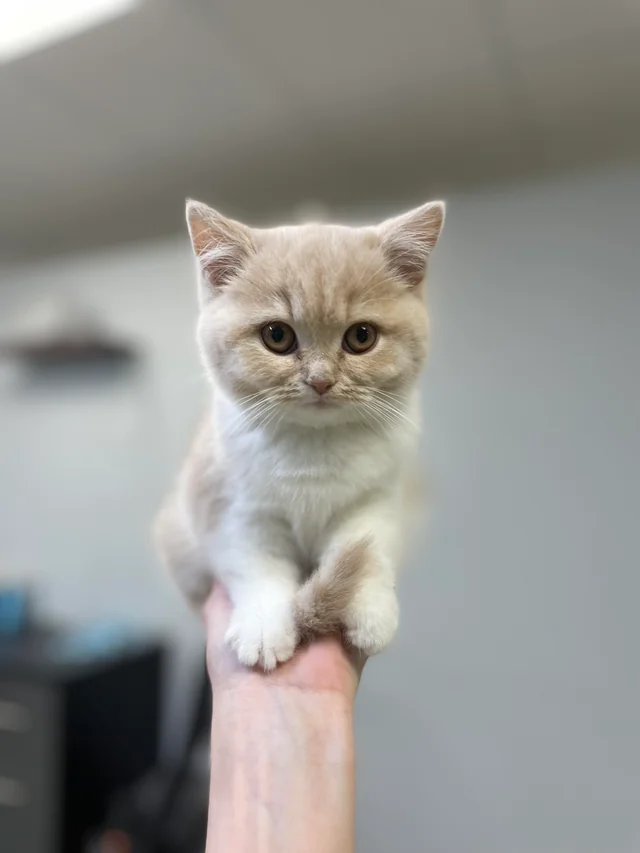
If you’re considering bringing home a British Shorthair, you’re not alone. Known for their plush coats, round faces, and calm temperament, this breed is one of the most sought-after cats for families and first-time owners alike.
This guide covers everything—from British Shorthair adoption to lifespan, allergies, weight, and popular mixes—so you can make a confident and informed decision.
British Shorthair Adoption: What to Know Before You Buy
When exploring British Shorthair adoption, you typically have two main options:
- Reputable breeders (ideal for pedigree and health guarantees)
- Rescue centers or shelters (more affordable and ethical option)
Buyer Intent Tips:
- Expect prices between €800–€2,000+ depending on lineage.
- Always ask for health certificates and vaccination records.
- Look for breeders who allow visits and provide early socialization.
👉 If you’re ready to buy, prioritize ethical breeders over cheap listings—low prices can signal poor breeding conditions.
British Shorthair Allergies: Are They Hypoallergenic?
A common concern is British Shorthair allergies.
- They are not hypoallergenic
- They produce the Fel d 1 protein, which triggers allergies
- However, their dense coat sheds less frequently than some breeds
Good to Know:
If you have mild allergies, regular grooming and air purification can help reduce symptoms.
British Shorthair Average Lifespan
The British Shorthair average lifespan is:
- 12 to 20 years
With proper care, diet, and regular vet visits, many live well into their late teens.
Health Factors:
- Obesity (common due to low activity)
- Heart conditions like hypertrophic cardiomyopathy
British Shorthair Average Weight & Size
Understanding the British Shorthair average weight is key for proper care:
- Males: 5–8 kg
- Females: 3.5–6 kg
They are considered a medium-to-large, muscular breed with a stocky build.
British Shorthair Age & Development
Tracking your British Shorthair age matters because they mature slowly:
- Kitten phase: 0–12 months
- Adolescence: 1–3 years
- Full maturity: 3–5 years
Unlike many breeds, they retain a “kitten-like” look well into adulthood.
British Shorthair Adult Personality
A British Shorthair adult is:
- Calm and independent
- Affectionate but not clingy
- Quiet and low-maintenance
Perfect for:
- Apartment living
- Busy professionals
- Families with older children
British Shorthair Mixes: Unique Hybrid Cats
If you want something more unique, consider a British Shorthair mix. These hybrids combine personality traits and physical features from two breeds.
1. British Shorthair and Ragdoll Mix
- Soft, plush coat
- More affectionate and cuddly
- Great for families
2. British Shorthair and Bengal Mix
- Muscular body with exotic markings
- Higher energy level
- Needs more stimulation
3. British Shorthair and Maine Coon Mix
- Larger size
- Fluffy coat
- Friendly and social personality
4. British Shorthair and Persian Mix
- Round face with long or semi-long coat
- Calm and laid-back
- Requires more grooming
5. British Shorthair and Russian Blue Mix
- Dense coat with a sleek appearance
- Intelligent and slightly reserved
- Lower shedding potential
6. British Shorthair and Tabby Mix
- Classic tabby patterns
- Playful personality
- Often more affordable
British Shorthair and Scottish Fold Mix
The British Shorthair and Scottish Fold mix is popular due to its:
- Round face and possible folded ears
- Sweet, calm temperament
⚠️ Important: Ethical concerns exist with folded ears due to cartilage issues. Always verify responsible breeding.
British Shorthair and Scottish Fold (Pure Pairing)
Pairing a British Shorthair and Scottish Fold is often done to:
- Maintain genetic health
- Reduce risk of skeletal problems
This combination is commonly used in breeding programs.
British Shorthair and Ragdoll (Pure Pairing)
A British Shorthair and Ragdoll pairing creates:
- Balanced temperament (calm + affectionate)
- Medium activity level
- Ideal indoor companion
Should You Buy a British Shorthair?
Best for:
✔ First-time cat owners
✔ Low-maintenance lifestyles
✔ Indoor living
Not ideal if you want:
✘ A highly active or playful cat
✘ A very clingy companion
Final Thoughts: Is This the Right Cat for You?
Whether you’re researching British Shorthair adoption, comparing mixes like British Shorthair and Bengal mix, or learning about their average lifespan and weight, this breed offers a perfect balance of beauty and ease.
They’re not just pets—they’re long-term companions with a calm, dignified presence.
British Shorthair FAQs for UK Buyers
1. How much does a British Shorthair cost in the UK?
Prices typically range from £700 to £1,800 for a pedigree kitten. Factors affecting cost include coat colour, lineage, breeder reputation, and vaccination history. Rare colours like blue, lilac, or golden tend to be more expensive.
2. Where can I adopt a British Shorthair in the UK?
You can adopt from:
- Reputable breeders registered with the GCCF (Governing Council of the Cat Fancy)
- Cat rescue centres and shelters across the UK, including RSPCA and Cats Protection
Adoption from a rescue centre is more ethical and often cheaper, though pedigree records may be limited.
3. Are British Shorthairs suitable for families with children?
Yes. British Shorthairs are calm, patient, and affectionate without being clingy, making them ideal for households with older children. They tolerate handling well but appreciate gentle interactions.
4. Do British Shorthairs cause allergies?
They are not hypoallergenic, as they produce Fel d 1 protein. However, their dense, plush coat sheds less than many breeds, which can reduce allergen spread. Regular grooming and HEPA filters in the home help manage symptoms.
5. What is the average lifespan of a British Shorthair?
In the UK, the British Shorthair average lifespan is 12–20 years. Regular vet checks, balanced nutrition, and maintaining a healthy weight can extend their life expectancy.
6. How big do British Shorthairs get?
- Males: 5–8 kg
- Females: 3.5–6 kg
They are medium-to-large, muscular cats with a stocky build and round features, suitable for indoor living in UK homes.
7. Which British Shorthair mix is best for families?
Popular mixes in the UK include:
- British Shorthair and Ragdoll Mix – affectionate, cuddly, family-friendly
- British Shorthair and Maine Coon Mix – larger, sociable, playful
- British Shorthair and Persian Mix – calm, low-energy, but requires more grooming
8. Are British Shorthairs good indoor cats?
Absolutely. Their calm and low-maintenance personality makes them perfect indoor companions for UK apartments, flats, or homes with limited outdoor space.
9. How do I find a reputable British Shorthair breeder in the UK?
- Check GCCF registration
- Ask for health certificates and vaccination records
- Visit the breeder to see kitten socialisation
- Avoid breeders offering unusually low prices—they may cut corners on health or welfare