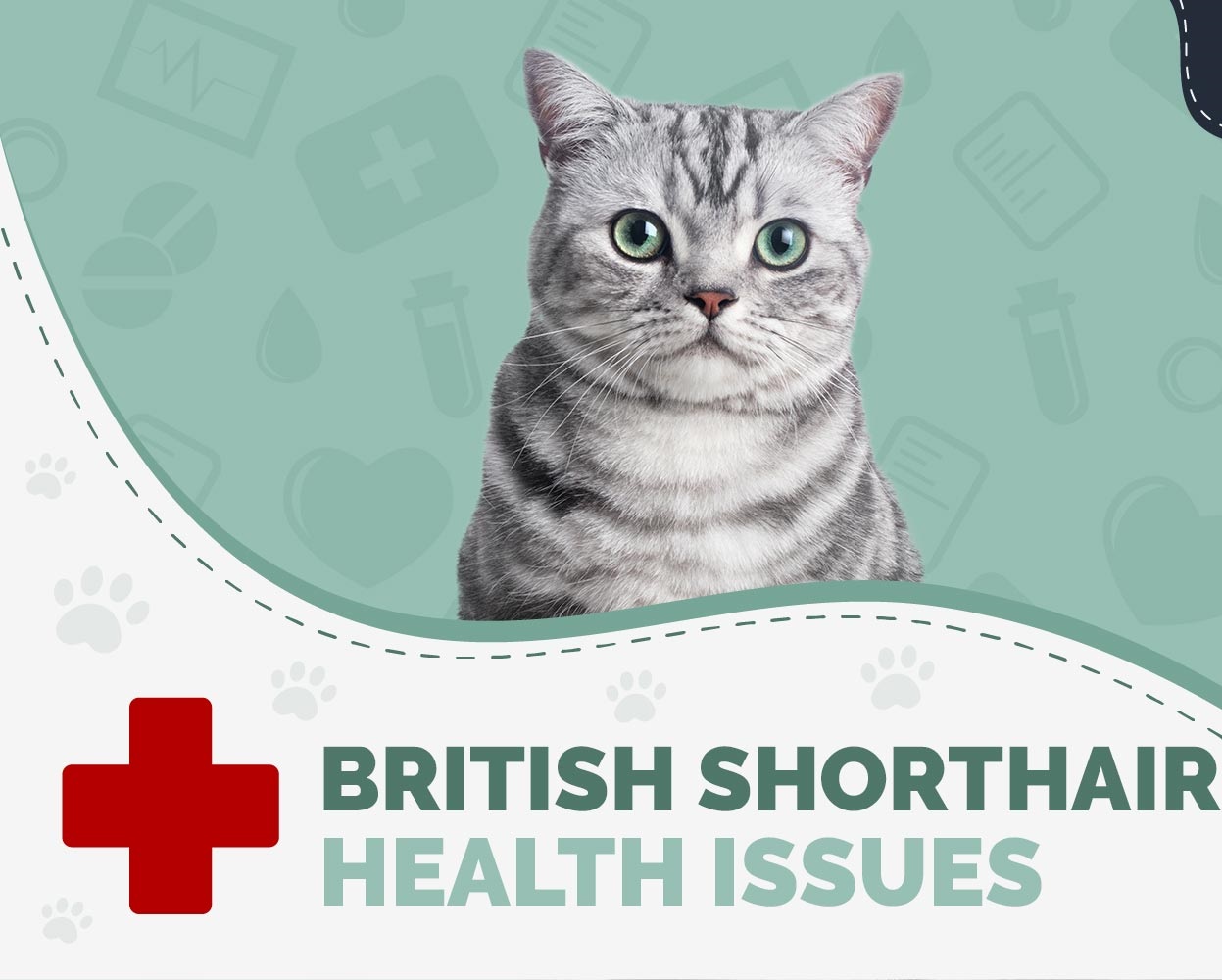
When considering adopting a British Shorthair kitten, one of the most important factors to think about is their health. British Shorthairs are known for their robust and sturdy nature, but like all cat breeds, they can be prone to certain health issues. Understanding these potential health concerns is essential to providing the best care for your kitten. In this blog post, we’ll explore the most common health problems in British Shorthair kittens, how to spot them, and how to prevent or manage these conditions. We’ll also offer tips on ensuring your British Shorthair kitten stays healthy and happy for years to come.
Common Health Issues in British Shorthair Kittens
British Shorthair kittens are generally considered a healthy breed, but like any purebred cats, they can be susceptible to specific genetic conditions. Below are some of the most common health issues British Shorthairs might experience:
1. Hypertrophic Cardiomyopathy (HCM)
Hypertrophic Cardiomyopathy (HCM) is a hereditary heart condition that is relatively common in British Shorthairs. This condition causes the heart muscles to thicken, which can lead to heart failure if left untreated. While it can be difficult to detect early on, signs of HCM in cats may include lethargy, breathing difficulties, and reduced appetite.
- Prevention: Regular vet check-ups are crucial for detecting any early signs of HCM. Some breeders screen their breeding cats for heart disease to reduce the risk of passing the condition to kittens.
- Treatment: While there is no cure, medication can help manage symptoms and improve quality of life for affected kittens.
2. Dental Issues
British Shorthairs are prone to dental problems, including gum disease and tooth decay. These conditions can be exacerbated by the breed’s flat face, which sometimes leads to misalignment of teeth. As kittens grow into adults, poor dental hygiene can lead to infections and discomfort.
- Prevention: Brushing your kitten’s teeth regularly, providing dental treats, and using water additives designed for oral care can all help reduce the risk of dental issues.
- Signs to Watch For: Bad breath, excessive drooling, difficulty eating, or inflamed gums can indicate dental problems in your British Shorthair kitten.
3. Obesity
While obesity is not necessarily a breed-specific issue, British Shorthairs are known to be prone to weight gain due to their calm and laid-back nature. If your British Shorthair kitten isn’t getting enough exercise or is overfed, it may be at risk of becoming overweight, which can lead to other health problems like diabetes, joint issues, and heart disease.
- Prevention: Ensure that your kitten is fed a balanced diet and get regular exercise through play. British Shorthairs are not typically hyperactive, but engaging them in interactive play can help keep them active and maintain a healthy weight.
- Treatment: If your kitten becomes overweight, consult your vet for a weight management plan that includes a proper diet and exercise routine.
4. Polycystic Kidney Disease (PKD)
Polycystic Kidney Disease (PKD) is a genetic disorder that causes cysts to form in the kidneys. Over time, these cysts can impair kidney function, leading to kidney failure. This condition is relatively rare in British Shorthairs but still something to watch for.
- Prevention: PKD is inherited, so buying a kitten from a breeder who tests their breeding cats for this condition can reduce the risk. A routine vet check-up can help spot kidney problems early.
- Signs to Watch For: Symptoms of PKD may include excessive thirst, increased urination, and weight loss. Early diagnosis is key for managing the condition.
5. Respiratory Issues Due to Flat Faces (Brachycephalic Syndrome)
British Shorthairs are a brachycephalic breed, meaning they have short, flat faces. While their round faces are one of their most charming features, this anatomical structure can sometimes lead to respiratory problems. British Shorthairs may have narrower airways, making them more prone to breathing difficulties, especially in hot weather or during physical exertion.
- Prevention: Keep your British Shorthair in a cool, well-ventilated environment, and avoid overexerting them during playtime, especially in warm weather.
- Signs to Watch For: Labored or noisy breathing, especially after exercise or during hot weather, can indicate breathing difficulties in brachycephalic cats.
6. Eye Problems
The British Shorthair’s large, expressive eyes are one of their defining features, but they can also be prone to eye infections and conditions such as conjunctivitis. British Shorthairs may develop watery eyes, which can sometimes be a sign of an infection or allergies.
- Prevention: Regularly clean your kitten’s eyes with a damp cloth to remove any discharge. Ensure their environment is clean and free from irritants that could cause eye problems.
- Signs to Watch For: Redness, swelling, excessive tearing, or discharge from the eyes can indicate an issue that requires veterinary attention.
7. Hip Dysplasia
Hip dysplasia is a condition in which the hip joint doesn’t form properly, leading to arthritis and pain. Although this condition is more common in larger dog breeds, it can occasionally affect British Shorthairs, especially if they are overweight.
- Prevention: Maintaining a healthy weight is the best way to prevent hip dysplasia. Regular check-ups with your vet can help detect any early signs of joint issues.
- Signs to Watch For: Difficulty moving, limping, or reluctance to jump or climb can indicate joint problems, including hip dysplasia.
How to Keep Your British Shorthair Kitten Healthy
While some health issues in British Shorthairs are hereditary, there are steps you can take to ensure your kitten stays as healthy as possible:
- Regular Vet Check-ups: Regular vet visits will help catch any potential health problems early and ensure your kitten is up-to-date on vaccinations, parasite control, and health screenings.
- Balanced Diet: Feed your kitten a high-quality, balanced diet designed for their age, size, and activity level. This will help maintain a healthy weight and prevent obesity-related issues.
- Exercise and Play: While British Shorthairs are not overly active, they still need regular playtime to stay fit. Provide interactive toys to encourage exercise and mental stimulation.
- Grooming: Although British Shorthairs have short coats, regular grooming helps maintain their skin health and reduces shedding. Check for any signs of skin infections or parasites during grooming sessions.
- Dental Care: Regular dental hygiene is important. Use cat-specific toothpaste and brushes, and provide dental treats to help reduce the risk of dental disease.
FAQ: Common Health Issues in British Shorthair Kittens
Q: Are British Shorthairs generally healthy?
Yes, British Shorthairs are generally considered a healthy breed, but like all cats, they can be prone to certain genetic conditions. Regular vet check-ups and proper care can help minimize health risks.
Q: How can I tell if my British Shorthair kitten has HCM?
Hypertrophic Cardiomyopathy (HCM) can be difficult to detect without a veterinary check-up. Signs to watch for include lethargy, difficulty breathing, and a loss of appetite. Early detection through regular vet visits is key.
Q: Can I prevent dental issues in my British Shorthair kitten?
Yes, regular brushing of your kitten’s teeth and providing dental chews can help prevent dental problems. If your kitten develops signs of gum disease or tooth decay, a visit to the vet is recommended.
Q: What can I do to prevent my British Shorthair from becoming obese?
To prevent obesity, feed your British Shorthair a balanced diet and provide regular playtime and exercise. Be mindful of portion sizes and avoid free-feeding.
Q: Are there any specific health tests breeders should conduct for British Shorthairs?
Reputable breeders should test for common hereditary conditions such as Hypertrophic Cardiomyopathy (HCM) and Polycystic Kidney Disease (PKD). Always ask for health screening results before purchasing a kitten.
SEO Entity and Keyword Mapping for GEO and AEO Optimization
For gatobritánicofarm.com to rank well, it’s important to focus on GEO (Geographical) and AEO (Audience) keywords. Below is a breakdown:
GEO Keywords (Location-Specific)
- British Shorthair kitten health in [City/Region]
- Health problems in British Shorthair kittens UK
- Common health concerns British Shorthair kittens [City/Region]
- Find healthy British Shorthair kittens for sale in the UK
- British Shorthair kitten health screenings [Location]
AEO Keywords (Audience-Specific)
- What are common health issues in British Shorthair kittens?
- British Shorthair kitten health problems to watch for
- How to prevent health issues in British Shorthair kittens
- Genetic health concerns in British Shorthair kittens
- Caring for a healthy British Shorthair kitten