Do British Shorthair Kittens Shed a Lot?
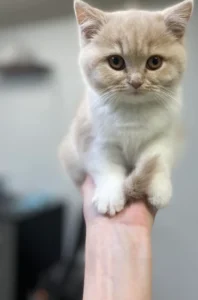
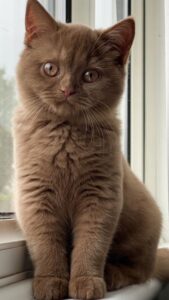
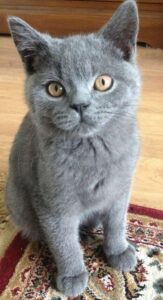
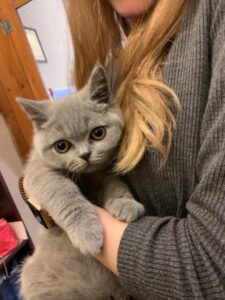
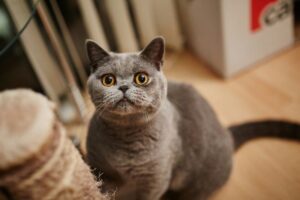
How much do British Shorthair kittens shed is known for its short, dense coat, which is one of their most distinctive features. Despite their plush fur, British Shorthairs do not shed excessively compared to some long-haired breeds. However, they do shed seasonally, which means there are times of the year when they may lose more fur than usual.
Factors That Influence Shedding
The amount of shedding can vary depending on several factors, including:
- Seasonal Shedding: Like most cats, British Shorthairs experience increased shedding during the spring and fall. This is when they shed their winter coat to prepare for warmer weather (spring) and shed their lighter summer coat in preparation for colder temperatures (fall). During these times, you may notice more fur around your home.
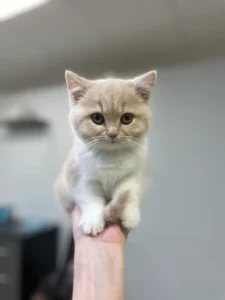
- Age: British Shorthair kittens, especially during their early months, may shed more as their baby fur is replaced by their adult coat. This shedding usually settles down once they reach maturity, but it’s important to be aware that kittenhood is a time of adjustment for their fur as well.
- Health and Diet: The health of your British Shorthair kitten can influence how much they shed. A well-balanced diet rich in omega-3 fatty acids, vitamins, and minerals can promote healthy skin and fur, which can reduce excessive shedding. Illness or stress can also lead to abnormal shedding.
- Grooming and Care: Regular grooming can help manage shedding. Cats that are groomed frequently tend to shed less because their fur is less likely to accumulate in their environment. A good grooming routine not only reduces shedding but also helps to maintain your kitten’s coat in the best possible condition.
How Much Does a British Shorthair Kitten Shed?
In general, British Shorthairs shed moderately. They have a dense coat, but it is not as long or high-maintenance as some other breeds with longer fur. The shedding amount can vary from one cat to another, but here’s a rough guideline:
- Year-round shedding: You can expect moderate shedding throughout the year, but it may be more noticeable during seasonal changes. If you notice more fur on your furniture or around your home during the spring or fall, this is completely normal.
- Kitten shedding: British Shorthair kittens will shed their baby fur as they grow, typically between 3 to 6 months of age. During this time, shedding might be more noticeable as they transition to their adult coat.
Managing Shedding in British Shorthair Kittens
While British Shorthairs don’t shed excessively, there are still ways to manage and reduce shedding around the home. Here are some grooming and care tips to help you control shedding:
1. Regular Brushing
Brushing your British Shorthair kitten’s coat regularly will help remove loose hair and prevent it from accumulating around your home. Even though they have a short coat, they still benefit from a gentle brushing session once or twice a week.
- What to Use: A soft-bristled brush or a slicker brush works well for British Shorthairs. This will help remove dead hairs without irritating their skin.
- Brushing Benefits: Brushing not only reduces shedding but also helps distribute natural oils in the fur, keeping their coat shiny and healthy. Additionally, regular brushing is a great bonding activity between you and your kitten.
2. Bathing (Occasionally)
While British Shorthairs don’t require frequent baths, occasional bathing can help with shedding, especially if your kitten is prone to skin issues or excess dander. Bathing removes dead fur and promotes a healthy coat. how much do British Shorthair kittens shed
- Tip: Use cat-specific shampoos that are gentle on their skin and coat. Make sure to dry them thoroughly after a bath to prevent any skin irritation.
3. Nutrition Matters
A healthy diet is essential for your British Shorthair kitten’s coat and overall well-being. If your kitten is shedding excessively or has dull, brittle fur, it could be a sign of an imbalanced diet or a deficiency in essential fatty acids.
- Feed a Balanced Diet: Choose a high-quality kitten food that contains plenty of protein, omega-3 fatty acids, and vitamins like biotin and vitamin E. These nutrients help promote a healthy, glossy coat and minimize shedding.
- Hydration: Always provide fresh water for your kitten. Dehydration can contribute to dry skin and excessive shedding.
4. Minimize Stress
Stress can lead to excessive shedding in all cats, including British Shorthairs. New environments, changes in routine, or other pets in the household can cause anxiety and increase shedding. Keeping your kitten’s environment calm and predictable will help reduce stress.
- Tip: Create a quiet space for your kitten where they can retreat when they need peace and quiet. Provide plenty of cozy spots to rest and play.
5. Clean Your Home Regularly
Even with proper grooming, some shedding is inevitable. Make sure to clean your home regularly to reduce the accumulation of loose fur: do British Shorthair kittens shed a lot
- Vacuum regularly: Use a vacuum with a HEPA filter to capture pet hair and dander from carpets, upholstery, and floors.
- Lint rollers: Keep a lint roller handy to remove pet hair from furniture, clothing, and other surfaces.
FAQ: How Much Do British Shorthair Kittens Shed?
Q: Do British Shorthair kittens shed as much as long-haired cats?
No, British Shorthairs typically shed less than long-haired breeds. Their short, dense coat requires less maintenance and shedding is moderate compared to long-haired cats like Persians or Maine Coons.
Q: When do British Shorthair kittens start shedding?
British Shorthair kittens will start shedding their baby fur between 3 to 6 months of age. During this time, you may notice a temporary increase in shedding as they transition to their adult coat.
Q: How can I reduce shedding in my British Shorthair kitten?
Regular brushing, providing a balanced diet, keeping your kitten stress-free, and occasionally bathing them can help reduce shedding. Consistent care will also help manage shedding throughout the year.
Q: Is excessive shedding a sign of a health problem in British Shorthairs?
Excessive shedding can sometimes be a sign of underlying health issues like skin infections, allergies, or nutritional deficiencies. If you notice unusual shedding or changes in your kitten’s coat, it’s always best to consult your vet.
Q: How often should I brush my British Shorthair kitten?
Brushing your British Shorthair kitten once or twice a week should be sufficient. Regular brushing helps keep their coat healthy and reduces the amount of fur that sheds around the house.
To help gatobritánicofarm.com rank higher, it’s important to use both GEO (Geographical) and AEO (Audience) keywords effectively. Below are examples of keyword mappings for this content:
- How much do British Shorthair kittens shed
- British Shorthair kitten grooming
- Managing shedding of British Shorthair kittens
- How to reduce shedding in British Shorthair kittens
- Shedding levels in British Shorthair kittens UK
- How much do British Shorthair kittens shed?
- British Shorthair kitten shedding tips
- Reducing shedding in British Shorthair kittens
- Why do British Shorthair kittens shed?
- Best grooming tips for British Shorthair kittens