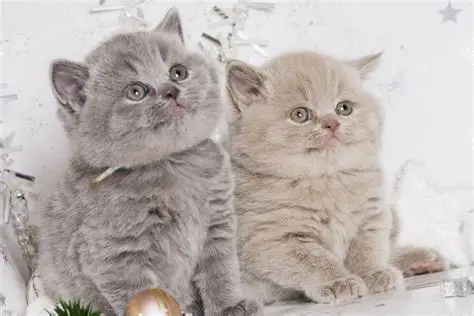
Overview of British Shorthair and British Longhair Kittens
Shorthair vs Longhair kitten traits.how do British Shorthair and Longhair kittens differ?
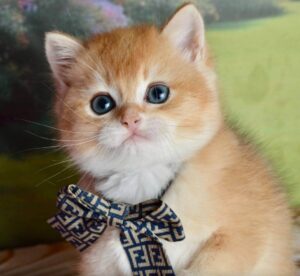
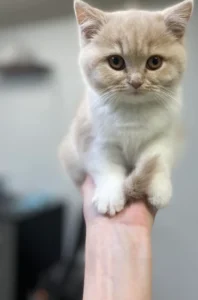
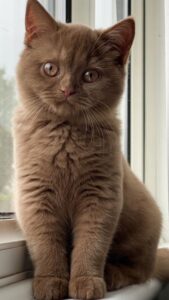
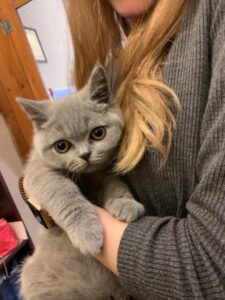
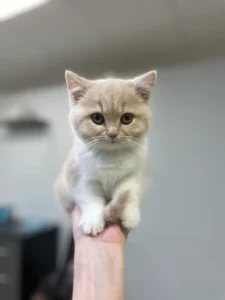
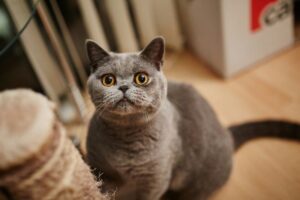
- British Shorthair Kitten: Known for their round faces, chubby cheeks, and dense, plush coats, the British Shorthair kitten is one of the most iconic and recognizable cat breeds. The coat of a British Shorthair cat is short, thick, and luxurious, making them easy to care for compared to other cats.
- British Longhair Kitten: Often called the “fluffy cousin” of the British Shorthair, the British Longhair kitten shares many of the same features, but with a long, silky coat. The British Longhair also has a round face and a stocky body, but their coat requires more grooming and care than their shorthaired counterparts.
how do British Shorthair and Longhair kittens differ?
1. Coat Length and Texture
British Shorthair Kitten Coat
The most obvious difference between these two breeds lies in the length and texture of their coats.
- British Shorthair kittens have a short, dense, plush coat that is soft to the touch. The texture is thick and velvety, and it lies flat against their body. The coat requires minimal grooming—brushing once or twice a week is usually enough to keep their fur in top condition.
- British Longhair kittens, on the other hand, boast a long, silky coat that can be quite striking. Their fur is soft, flowing, and luxurious, but it can become tangled or matted without regular care. British Longhair kittens require daily brushing to prevent their fur from becoming unruly and to maintain their sleek, shiny appearance.
In summary:
- British Shorthair: Short, thick, and plush coat, easy to manage.
- British Longhair: Long, silky coat, requires more grooming.
2. Grooming Needs
British Shorthair Kitten Grooming
Shorthair vs Longhair kitten traits have short fur, they are generally easier to groom than their longhaired cousins. Regular brushing—usually once a week—will help remove loose hairs and prevent hairballs. British Longhair cat coat sheds seasonally, so during shedding periods, you may need to increase the frequency of brushing to keep their fur under control. how do British Shorthair and Longhair kittens differ
British Longhair Kitten Grooming
British Longhairs require daily grooming due to their long coats. This is essential to avoid tangles and mats, especially around the neck and underarms. If you’re looking for a kitten that doesn’t require a lot of grooming, a British Shorthair might be the better option. However, if you love brushing and bonding with your cat during grooming sessions, the British Longhair’s long, soft coat can be a joy to care for.
3. Temperament and Personality
Both British Shorthairs and British Longhairs share similar temperaments due to their shared ancestry. They are both known for being calm, affectionate, and independent. However, subtle differences in personality may exist between the two.
- British Shorthair kittens tend to be more reserved. They enjoy spending time with their owners but are not overly clingy. British Shorthairs are also quite adaptable, getting along well with both children and other pets.
- British Longhair kittens are usually just as calm and affectionate, but they can be slightly more playful and interactive. Due to their higher energy levels (which may stem from their longer fur requiring more maintenance), British Longhairs might enjoy spending a little more time engaged in playful activities with their owners. However, both breeds tend to be gentle and non-aggressive. British Longhair kitten grooming and care
4. Health and Lifespan
Both the British Shorthair and British Longhair are generally healthy breeds, with a lifespan of around 12-20 years, depending on genetics and care.
- British Shorthair kittens are robust and tend to have fewer health problems due to their short coat and sturdy build. They are less prone to matting and skin conditions compared to longhaired cats. Shorthair vs Longhair kitten traits.
- British Longhair kittens, while also healthy, may be prone to a few more coat-related issues, such as matting, which can lead to skin irritations if not properly managed. Regular grooming is essential to avoid these potential health problems.
5. Size and Build
While both breeds have a muscular and compact build, the size and shape of their bodies are fairly similar. However, there are slight differences:
- British Shorthairs tend to be a little more compact in their frame. Their short legs and round faces give them a more stocky, “cobby” appearance.
- British Longhairs are similar in build but may appear slightly larger due to the volume of their longer fur. However, their body structure remains largely the same, muscular and round.
6. Color Variety
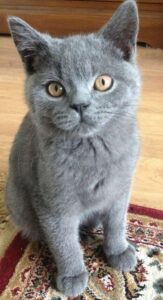
Both British Shorthairs and British Longhairs come in a variety of colors and patterns, with the most common being blue (gray). However, the color patterns and fur types are largely the same across both breeds.
- British Shorthairs are available in a wide range of colors, including solid colors, tabby patterns, bicolor, and more.
- British Longhairs also come in various colors, and their long coats give them an elegant appearance, especially in multi-colored or patterned varieties.
Pros and Cons: British Shorthair vs. British Longhair
British Shorthair Pros:
- Low-maintenance grooming.
- Calm and independent personality.
- Great for families and people who don’t want a high-maintenance pet.
British Shorthair Cons:
- Can be reserved and independent, which might not suit those looking for an extremely cuddly kitten.
British Longhair Pros:
- Gorgeous, long, flowing coat.
- Affectionate and playful, making them great companions.
- Shares many of the same temperament traits as British Shorthairs.
British Longhair Cons:
- Requires daily grooming to prevent mats and tangles.
- May need more attention to their coat, which could be time-consuming.
FAQ: What Is the Difference Between a British Shorthair Kitten and a British Longhair Kitten?
Q: Do British Shorthair and British Longhair kittens have different personalities?
Both breeds share similar calm and affectionate temperaments, but British Longhairs are generally more playful and interactive. British Shorthairs tend to be more reserved and independent.
Q: Which breed sheds more, British Shorthair or British Longhair?
British Longhairs shed more than British Shorthairs due to their longer coats. British Shorthairs, with their short, dense fur, have moderate shedding, especially during seasonal changes.
Q: Which breed requires more grooming, British Shorthair or British Longhair?
British Longhairs require more grooming than British Shorthairs. Their long coats need to be brushed daily to avoid tangles and mats, while British Shorthairs only need weekly brushing to keep their fur in good condition.
Q: Are British Longhair kittens rarer than British Shorthair kittens?
Yes, British Longhairs are rarer than British Shorthairs. The long-haired variant was only officially recognized in recent years, making them less common compared to the widely popular British Shorthair.
how do Shorthair and Longhair kittens differ in personality
For gatobritánicofarm.com to rank effectively, it’s essential to use both GEO (Geographical) and AEO (Audience) keywords. Here’s how to optimize the content:
are British Shorthair kittens easier to care for than Longhairs
- British Shorthair vs. British Longhair kittens
- Find British Shorthair kittens
- British Longhair kittens for sale
- Grooming British Shorthair and British Longhair kittens
- Which is better, British Shorthair or British Longhair in the UK?
British Shorthair vs Longhair kittens: behavior and care tips
- Difference between British Shorthair and British Longhair kittens
- British Shorthair vs. British Longhair personality traits
- British Shorthair grooming needs
- How to choose between a British Shorthair and British Longhair kitten
- Is a British Longhair a good pet for families?