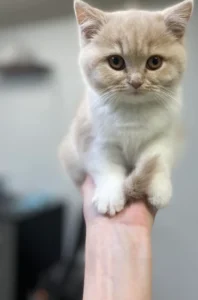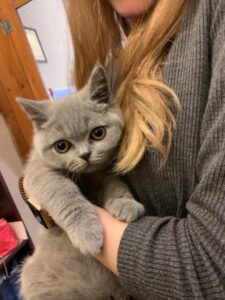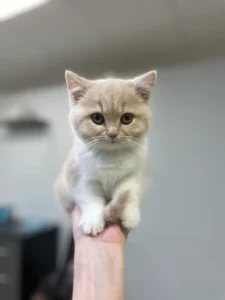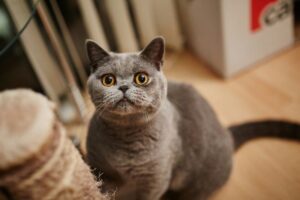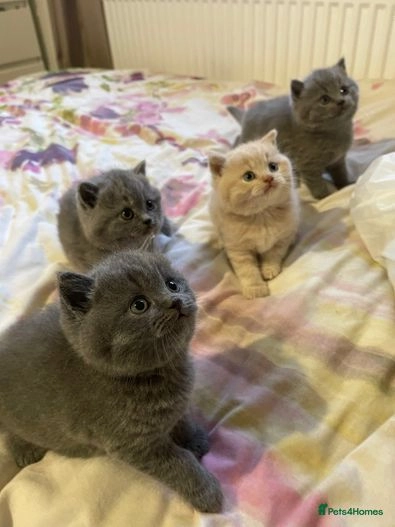
Understanding the British Shorthair’s Temperament
Are British Shorthair kittens easy to train? it’s essential to understand the natural temperament of a British Shorthair kitten. Known for being calm, independent, and affectionate, these kittens are generally well-behaved, which can make training easier compared to more high-strung or overly energetic breeds. Here are some key personality traits:
- Independent but Affectionate: British Shorthair kittens are often content to entertain themselves but will gladly seek out attention when they want it. They are not as demanding of affection as some breeds, but they enjoy bonding with their human family members.
- Social but Not Overbearing: They typically get along well with other pets and children, making them easy to socialize. However, they’re not the type of kitten to cling to you at all times, which is a bonus for people who need a more low-maintenance cat.
- Mild-Mannered: This breed is generally laid-back, and their calm nature can help in the training process. They’re less likely to be aggressive or easily stressed, making them a good choice for first-time cat owners.
Are British Shorthair Kittens Easy to Train?
When it comes to training, British Shorthair kittens are generally easy to train, but with certain considerations. Unlike some highly active or curious breeds, they tend to be a bit more independent and less motivated by food rewards or play, meaning they might not be as quick to catch on to new commands or tricks.
However, this does not mean they are hard to train. Here are some aspects of training to consider:
1. Litter Box Training
Litter box training is typically straightforward for British Shorthair Are British Shorthair kittens easy to train, including British Shorthairs, have an innate desire to bury their waste, so they’ll usually take to the litter box naturally.
- Tips for Litter Box Training:
- Place the litter box in a quiet, accessible area where the kitten can easily find it.
- Keep the box clean by scooping out waste daily and changing the litter regularly.
- If you catch your kitten eliminating outside the box, gently place them in the box to reinforce the behavior.
2. Crate Training
British Shorthair kittens tend to be calm and adaptable, which can make crate training easier than with some more active or anxious breeds. Start by placing a comfortable bed, some toys, and a treat inside the crate to make it a positive experience.
- Tips for Crate Training:
- Gradually increase the amount of time your kitten spends inside the crate, ensuring it’s a stress-free experience.
- Avoid using the crate as punishment; instead, make it a safe, cozy space for your kitten.
3. Socialization
British Shorthair kittens are generally social, but they may be reserved around new people or environments at first. Early socialization is important to help them become well-adjusted adult cats.
- Tips for Socializing Your British Shorthair:
- Introduce your kitten to a variety of people, pets, and environments during their critical socialization window (8 to 16 weeks).
- Reward calm behavior with praise and treats to encourage positive associations with new experiences.
- Be patient if your kitten is shy; allow them to approach new situations at their own pace.
4. Basic Commands (Sit, Stay, Come)
British Shorthairs can be taught basic commands like sit, stay, and come, though they may not always be as eager to please as other more trainable breeds like the Border Collie or the Labrador Retriever. kitten training and behavior tips tend to be independent, and their motivation for training is often lower than that of more food-driven breeds.
- Tips for Training Basic Commands:
- Use positive reinforcement (treats and praise) to encourage desired behaviors.
- Keep training sessions short, fun, and consistent. British Shorthairs appreciate a relaxed environment and may become disinterested if the training feels too repetitive or forced.
- Be patient—training a British Shorthair kitten requires time, but the effort will pay off with a well-behaved adult cat.
5. Scratching and Furniture Protection
All kittens have a natural instinct to scratch, but British Shorthairs are often more laid-back when it comes to this behavior. They might be less inclined to scratch furniture if they have an appropriate scratching post. However, some British Shorthair kittens may still need redirection to learn what’s appropriate to scratch.
- Tips for Managing Scratching:
- Provide scratching posts and pads made of materials like sisal, which are ideal for scratching.
- Use cat deterrent sprays or double-sided tape on furniture that your kitten seems to target.
- Praise your kitten when they use their scratching post instead of your furniture.
Why British Shorthair Kittens Are Easy to Train
British Shorthair kittens tend to be calm and adaptable, making them easier to train than many other breeds. Their independent nature can sometimes make them less eager to please, but their affectionate temperament means they are willing to form strong bonds with their owners, making training sessions enjoyable.
Additional Reasons Why British Shorthairs Are Easy to Train:
- Less Prone to Stress: Their calm disposition makes them less likely to become stressed or anxious during training.
- Independent Thinkers: While they may not be as eager to please, their independent thinking means they can learn commands at their own pace without being overwhelmed. British Shorthair grooming needs
- Good Natured: British Shorthair kittens tend to have a gentle temperament, making them great companions for families and individuals alike.
FAQ: Are British Shorthair Kittens Easy to Train?
Q: Are British Shorthair kittens hard to train?
No, British Shorthair kittens are generally easy to train, especially when it comes to litter box training, crate training, and basic commands. However, they may not be as eager to please as other breeds, which means training may take a little longer.
Q: How long does it take to train a British Shorthair kitten?
The time it takes to train a British Shorthair kitten depends on the behavior you’re trying to teach. Basic commands may take a few weeks of consistent training, while litter box training is usually quicker and more instinctive.
Q: Can British Shorthair kittens learn tricks?
Yes, British Shorthair kittens can learn basic tricks like sit, stay, and high-five. However, they may not be as motivated to perform tricks on command as some other breeds, so patience and positive reinforcement are key.
Q: How can I stop my British Shorthair kitten from scratching furniture?
Provide your British Shorthair kitten with plenty of scratching posts, preferably made of sisal or cardboard. You can also use cat furniture sprays to deter scratching on unwanted surfaces. Positive reinforcement for using the scratching post will help teach your kitten the appropriate behavior.
For gatobritánicofarm.com to rank effectively for this blog post, incorporating GEO (Geographical) and AEO (Audience) keywords is essential. Here’s how to optimize your content:
kitten behavior training
- Are British Shorthair kittens easy to train
- British Shorthair kitten training tips
- Training British Shorthair kittens
- Best breeders for trained British Shorthair kittens
- Litter box training British Shorthair kittens
how long does it take to train a British Shorthair kitten?
- Are British Shorthair kittens easy to train?
- Training a British Shorthair kitten to use the litter box
- How to train your British Shorthair kitten
- Teaching British Shorthair kittens basic commands
- British Shorthair kitten behavior and training